Observability Certifications: Complete Guide 2025
Picture this: It's 3 AM, and a major e-commerce platform just went down during their biggest sale of the year. Every minute of downtime costs them $100,000. The hero who saves the day? An observability engineer who quickly pinpoints the root cause through distributed tracing, metrics correlation, and log analysis—skills validated by their observability certifications.
If you've been paying attention to the tech job market lately, you've probably noticed something interesting. Companies everywhere are scrambling to hire professionals who can make sense of their increasingly complex distributed systems. And they're willing to pay handsomely for it.
According to recent data from LinkedIn, observability-related job postings have grown by 47% year-over-year, with certified professionals commanding salaries 15-25% higher than their non-certified peers. The reason? Modern cloud-native architectures have become so complex that traditional monitoring just doesn't cut it anymore.
Whether you're a DevOps engineer looking to specialize, a developer wanting to understand production systems better, or a complete career-changer eyeing this lucrative field, this observability certifications guide will walk you through everything you need to know to get certified in 2025.
What Is Observability and Why Does It Matter?
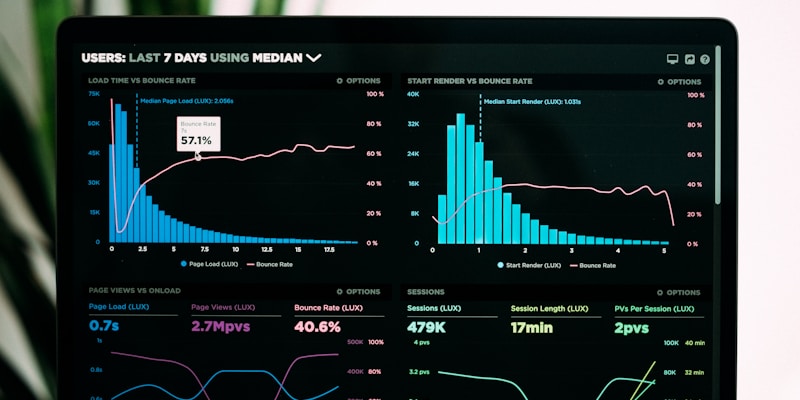
Before we dive into the certifications themselves, let's make sure we're on the same page about what observability actually means—because it's more than just a fancy word for monitoring.
The Three Pillars of Observability
Observability is built on three fundamental pillars:
- Metrics: Numerical measurements collected over time (CPU usage, request latency, error rates)
- Logs: Timestamped records of discrete events happening in your systems
- Traces: Records of requests as they flow through distributed systems
Think of it this way: if monitoring tells you that something is broken, observability helps you understand why it's broken—even for problems you've never encountered before.
Why Companies Are Investing Heavily in Observability
Here's a stat that might surprise you: Gartner predicts that by 2026, 70% of organizations successfully applying observability will achieve shorter latency for decision-making, enabling competitive advantage. That's not just tech jargon—it translates directly to business value.
The shift to microservices, Kubernetes, and serverless architectures has created environments where hundreds or thousands of services interact in complex ways. Traditional monitoring approaches that worked for monolithic applications simply can't handle this complexity. That's where observability—and certified observability professionals—come in.
Key Takeaway: Observability certifications validate your ability to understand, implement, and manage the tools and practices that keep modern distributed systems running smoothly.
Top Observability Certifications in 2025

Now let's get into the meat of this observability certifications 2025 guide. The landscape has evolved significantly, and there are now several reputable certifications worth your time and investment.
Vendor-Neutral Certifications
FinOps Certified Practitioner (with Observability Focus)
While not exclusively observability-focused, this certification has added significant observability components recognizing the tight connection between system visibility and cost optimization.
| Exam Detail | Information |
|---|---|
| Exam Code | FOCP |
| Duration | 60 minutes |
| Questions | 50 multiple choice |
| Passing Score | 75% |
| Cost | $300 |
| Validity | 2 years |
Certified Kubernetes Administrator (CKA) - Observability Domain
The CKA exam has increased its observability content significantly in recent updates, recognizing that monitoring and logging are essential Kubernetes skills.
| Exam Detail | Information |
|---|---|
| Exam Code | CKA |
| Duration | 2 hours |
| Format | Performance-based |
| Passing Score | 66% |
| Cost | $395 |
| Observability Weight | ~15% of exam |
Prepare confidently with CKA practice tests that include comprehensive observability scenarios.
Vendor-Specific Certifications
Datadog Fundamentals Certification
Datadog has become one of the most popular observability platforms, and their certification program is highly respected in the industry.
| Exam Detail | Information |
|---|---|
| Duration | 90 minutes |
| Questions | 60 multiple choice |
| Passing Score | 70% |
| Cost | Free |
| Validity | 2 years |
The best part? This observability certifications exam is completely free, making it an excellent starting point for your certification journey.
Splunk Core Certified User & Power User
Splunk remains a powerhouse in the log analytics and observability space, particularly in enterprise environments.
| Certification Level | Cost | Duration | Passing Score |
|---|---|---|---|
| Core Certified User | $130 | 60 min | 70% |
| Core Certified Power User | $130 | 60 min | 70% |
| Enterprise Certified Admin | $130 | 60 min | 70% |
Elastic Certified Observability Engineer
The Elastic Stack (formerly ELK) powers observability at countless organizations, and Elastic's certification validates real-world skills.
| Exam Detail | Information |
|---|---|
| Duration | 3 hours |
| Format | Performance-based labs |
| Passing Score | Not disclosed |
| Cost | $400 |
| Validity | 2 years |
Pro Tip: Vendor-specific certifications are particularly valuable when you're targeting companies that use those specific tools. Check job postings in your target market to see which platforms are most in demand.
Cloud Provider Certifications with Observability Components
AWS Certified DevOps Engineer - Professional
This certification includes substantial coverage of CloudWatch, X-Ray, and AWS observability best practices.
| Exam Detail | Information |
|---|---|
| Exam Code | DOP-C02 |
| Duration | 180 minutes |
| Questions | 75 |
| Passing Score | 750/1000 |
| Cost | $300 |
Master the observability components with AWS DevOps Engineer practice tests.
Google Cloud Professional Cloud DevOps Engineer
Google's certification heavily emphasizes SRE practices, including observability through Cloud Monitoring and Cloud Logging.
| Exam Detail | Information |
|---|---|
| Duration | 2 hours |
| Format | Multiple choice & select |
| Cost | $200 |
| Observability Weight | ~25% |
Career Paths and Salary Expectations

Let's talk about what an observability certifications career actually looks like—and more importantly, what it pays.
Entry-Level to Senior: The Career Progression
| Career Stage | Typical Titles | Experience | Avg. Salary (US) |
|---|---|---|---|
| Entry-Level | Junior SRE, Observability Analyst | 0-2 years | $75,000 - $95,000 |
| Mid-Level | Observability Engineer, SRE | 2-5 years | $110,000 - $145,000 |
| Senior | Senior Observability Engineer | 5-8 years | $150,000 - $185,000 |
| Lead/Principal | Principal SRE, Observability Architect | 8+ years | $180,000 - $250,000+ |
These figures represent base salaries and don't include bonuses, stock options, or other compensation that's common in tech. In high-cost-of-living areas like San Francisco or New York, expect figures 20-30% higher.
The Certification Salary Bump
Here's something that should motivate your observability certifications preparation: certified professionals consistently earn more. According to various salary surveys:
- Datadog certified professionals: Average 12% salary increase post-certification
- Splunk certified professionals: 18% higher median salary than non-certified peers
- Multi-certified professionals: Up to 25% premium over single-certified counterparts
Real Talk: Certifications alone won't make you a six-figure earner. But combined with hands-on experience and soft skills, they absolutely accelerate your career trajectory.
Industries Hiring Observability Professionals
You might be surprised by the diversity of industries actively seeking observability talent:
- Financial Services: Banks and fintech companies need real-time visibility into trading systems
- E-commerce: Every second of latency impacts conversion rates
- Healthcare Tech: Patient data systems require robust monitoring
- Gaming: Real-time multiplayer experiences demand sub-millisecond observability
- SaaS Companies: Any business delivering software as a service
Study Strategies and Preparation Tips

Now let's get practical with observability certifications tips that will actually help you pass your exams.
Recommended Study Timelines
Here's a realistic breakdown based on your experience level:
| Your Background | Study Hours Needed | Timeline |
|---|---|---|
| Complete beginner | 120-150 hours | 3-4 months |
| IT professional (no observability) | 80-100 hours | 2-3 months |
| Some observability experience | 50-70 hours | 1-2 months |
| Daily observability work | 30-40 hours | 2-4 weeks |
The Most Effective Study Approach
After talking to dozens of successful certification holders, here's the observability certifications training approach that works best:
Phase 1: Foundation Building (40% of study time)
- Complete official vendor training courses
- Read documentation thoroughly (yes, really)
- Set up a home lab environment
- Watch introductory videos and webinars
Phase 2: Hands-On Practice (35% of study time)
- Build real observability pipelines
- Instrument sample applications
- Create dashboards and alerts
- Simulate and troubleshoot incidents
Phase 3: Exam Preparation (25% of study time)
- Take practice exams under timed conditions
- Review weak areas identified in practice tests
- Study exam-specific formats and question styles
- Do final review of key concepts
Building Your Home Lab
You don't need expensive infrastructure to learn observability certifications concepts. Here's a practical setup:
Minimum Lab Setup:
- Docker Desktop (free)
- Minikube or Kind for local Kubernetes
- Prometheus + Grafana stack
- OpenTelemetry collector
- Sample microservices application (many free options on GitHub)
Budget-Friendly Tip: Many cloud providers offer free tiers. You can learn AWS CloudWatch, Google Cloud Monitoring, or Azure Monitor without spending a dime if you're careful about resource usage.
Common Mistakes to Avoid
Let me save you some pain by sharing the most common pitfalls I've seen in observability certifications preparation:
Mistake #1: All Theory, No Practice
The biggest mistake by far. Observability is fundamentally a practical discipline. Reading about Prometheus without ever writing a PromQL query is like learning to drive by reading the manual.
Fix it: Spend at least 50% of your study time hands-on. Every concept you learn should be immediately applied in your lab environment.
Mistake #2: Ignoring the Fundamentals
Some candidates jump straight into advanced distributed tracing without understanding basic logging and metrics collection.
Fix it: Master the three pillars in order: metrics first, then logs, then traces. Each builds on the previous.
Mistake #3: Studying Outdated Materials
Observability tools evolve rapidly. That YouTube tutorial from 2021 might teach you deprecated syntax.
Fix it: Always check publication dates. Prefer official documentation and recently updated courses. For your observability certifications exam, use practice tests that reflect current exam objectives.
Mistake #4: Underestimating Performance-Based Exams
Some certifications (like Elastic) use performance-based labs where you actually configure systems. Multiple choice knowledge won't save you.
Fix it: For performance-based exams, practice the actual tasks. Time yourself. Get comfortable with the CLI and UI.
Mistake #5: Not Understanding the "Why"
Memorizing that you should set up alerting is useless if you don't understand why certain alert thresholds make sense.
Fix it: Always connect technical knowledge to business outcomes. Why does this metric matter? What happens if we miss this alert?
Comparing Observability Certification Paths

With so many options, how do you choose which observability certifications certification path to pursue? Let's break it down:
Decision Framework
| If You Want To... | Best Certification Path |
|---|---|
| Start quickly with free options | Datadog Fundamentals |
| Work at enterprises | Splunk + ServiceNow |
| Focus on open source | CKA + Prometheus/Grafana training |
| Target cloud-native companies | CKA + cloud provider certs |
| Maximize salary potential | Multi-vendor approach |
Certification Stacking Strategy
The most successful observability professionals don't stop at one certification. Here's a recommended progression:
Year 1:
- Start with Datadog Fundamentals (free, great foundation)
- Add a cloud provider certification (AWS/GCP/Azure)
Year 2: 3. Pursue CKA for Kubernetes observability 4. Add Splunk or Elastic based on market demand
Year 3+: 5. Specialize in advanced certifications 6. Consider SRE or Platform Engineering certifications
Strategic Advice: Check job postings at your target companies before choosing certifications. If everyone in your area uses Splunk, that Datadog cert (while valuable) won't be as immediately applicable.
Best Resources for Your Certification Journey
Here's a curated list of resources organized by learning style:
Official Training
- Datadog Learning Center - Free courses directly from Datadog
- Splunk Training - Comprehensive Splunk education
- Elastic Training - Hands-on Elastic Stack courses
- Linux Foundation Training - CKA and vendor-neutral options
Books and Documentation
- "Observability Engineering" by Charity Majors, Liz Fong-Jones, and George Miranda
- "Distributed Systems Observability" by Cindy Sridharan (free O'Reilly ebook)
- OpenTelemetry documentation (the future of observability instrumentation)
Practice and Hands-On
- HydraNode's adaptive practice exams for certification-specific preparation
- Katacoda/Killercoda for free interactive scenarios
- AWS/GCP/Azure free tiers for real cloud experience
Frequently Asked Questions
Which observability certification should I get first?
If you're brand new to observability, start with Datadog Fundamentals. It's free, well-structured, and covers core concepts that transfer to any platform. If you already have some experience, consider which tools your target employers use most frequently.
How long does it take to prepare for observability certifications?
For most professionals with some IT background, expect 2-3 months of dedicated study (10-15 hours per week) for your first certification. Subsequent certifications typically require less time as concepts overlap significantly.
Are observability certifications worth the investment?
Absolutely. The data consistently shows that certified professionals earn more and get hired faster. More importantly, the structured learning ensures you don't have gaps in your knowledge. The ROI on even the most expensive certification ($400) pays for itself quickly with even a modest salary increase.
Can I get an observability job without certifications?
Yes, especially if you have demonstrable hands-on experience. However, certifications help you stand out in competitive job markets and are particularly valuable when switching careers into observability. They also give you structured learning paths rather than trying to figure out what to study on your own.
How often do I need to recertify?
Most observability certifications are valid for 2 years. Recertification typically involves either retaking the exam or completing continuing education requirements. Budget both time and money for ongoing certification maintenance.
What's the difference between monitoring and observability certifications?
Monitoring certifications tend to focus on traditional infrastructure monitoring—watching predefined metrics and responding to known issues. Observability certifications emphasize understanding system behavior through metrics, logs, and traces together, enabling you to diagnose novel problems. Observability is the evolution of monitoring for cloud-native architectures.
Your Path Forward: Taking Action Today

You've made it through this comprehensive observability certifications guide, and now comes the most important part: taking action.
Here's your homework for this week:
- Audit your current skills: Where do you fall on the beginner-to-expert spectrum?
- Research your market: What observability tools are companies in your area using?
- Choose your first certification: Don't overthink it—pick one and commit
- Set up your lab environment: Even 30 minutes of hands-on practice beats hours of passive reading
- Create a study schedule: Block time in your calendar like any other important meeting
The demand for skilled observability professionals isn't slowing down anytime soon. With the continued adoption of microservices, Kubernetes, and serverless architectures, companies need people who can make sense of increasingly complex systems. Your observability certifications 2025 journey starts with a single decision to begin.
Remember: Every expert was once a beginner. The professionals earning top salaries in observability today started exactly where you are now.
Ready to Accelerate Your Certification Success?
Ready to stop guessing and start passing? HydraNode offers adaptive practice exams that mirror the real test experience, helping you identify knowledge gaps before exam day. Our platform includes:
- Realistic exam simulations with questions modeled on actual certification exams
- Adaptive learning technology that focuses on your weak areas
- Detailed explanations for every question, not just the right answer
- Progress tracking to keep you motivated and on schedule
- Regular updates to reflect the latest exam objectives
Thousands of IT professionals have used HydraNode to fast-track their certification journeys. Whether you're pursuing your first observability certification or adding another credential to your portfolio, we're here to help you succeed.
Start practicing today and join the growing community of certified observability professionals who are shaping the future of IT operations.
Your future self will thank you for starting now.
